

7 Ways a Pocket Diary Makes Travel More Meaningful
10 Monthly Planner Tips to Stay Consistent All Year
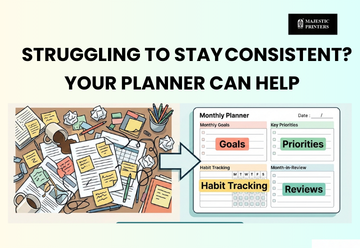
Staying consistent with planning sounds easy in January, but by March, many planners are left untouched. These monthly planner tips will help you build a sustainable system that works all year long. Whether you’re a student, working professional, entrepreneur, or homemaker, learning how to use a monthly planner effectively can transform your time management and productivity.
A well-structured monthly planner is more than a calendar. It is a right choice for clarity, focus, and long-term achievement. If you have struggled with incomplete plans, missed goals, or inconsistent planning habits, this guide will help you reset and stay on track.
The Importance of Consistency with Monthly Planning
Consistency turns intentions into results. Without structure, goals remain ideas. With clear goal planning strategies, monthly planning becomes the bridge between what you want and what you achieve.
Many people start strong but stop because:
- They overplan
- They do not review progress
- They feel overwhelmed
- They do not know what to include
Good planning habits help you stay in a steady flow. When you regularly review and adjust your plans each month, progress feels natural and manageable. That’s why these monthly planner tips focus on staying consistent over time, not trying to be perfect every day.
Tip 1: Set Clear Monthly Goals
Start each month with 3–5 focused goals.
Do not write unclear goals like “do better” or “be more productive.” Instead, set clear goals that you can measure and track.
- Complete 4 client proposals
- Finish 2 chapters weekly for exams
- Save ₹5,000 this month
Clear goals improve productivity planning because they give direction to your daily actions. Students can list exam preparation targets. Entrepreneurs can define revenue milestones. Homemakers can plan budgeting or home projects.
Tip 2: Keep Your Planner Simple
One of the most ignored planner consistency tips is simplicity.
If your pages are overcrowded with color codes, stickers, and complex tracking systems, you may burn out quickly. Use your monthly planner for essentials:
- Major deadlines
- Key appointments
- Priority tasks
- Important reminders
Leave space for flexibility. Simple layouts reduce decision fatigue and make it easier to return to your planner every day.
Tip 3: Schedule Monthly Reviews
Planning without reviewing leads to repeated mistakes.
Set aside 20–30 minutes at the end of each month to:
- Check completed tasks
- Identify unfinished goals
- Reflect on what worked
This habit strengthens planning habits because you are not just writing plans — you are evaluating them. It also improves future goal planning strategies by helping you adjust expectations realistically.
Think of it as a personal progress meeting with yourself.
Tip 4: Prioritize Tasks Realistically
Not everything deserves equal space.
Mark tasks as:
- High Priority
- Medium Priority
- Optional
Overloading your planner leads to frustration. Effective productivity planning means focusing on what truly matters.
For example:
A working professional might prioritize project deadlines over minor administrative tasks. A student might focus on upcoming exams rather than optional activities.
Realistic prioritization is one of the most practical monthly planner tips for staying consistent.
Tip 5: Use Habit Tracking Wisely
Habit tracking supports long-term growth, but tracking too many habits creates stress.
Choose 2–3 habits only:
- Daily reading
- Exercise
- Skill practice
Use a small corner of your monthly planner to mark consistency. This helps reinforce positive behavior without overwhelming your layout.
This method supports strong planner consistency tips because habits create routine — and routine builds discipline.
Tip 6: Keep Flexible Time in Your Plan
Life is unpredictable.
Leave 2–3 “Flexible days” each month without major tasks. These days can absorb unexpected delays or unfinished work.
Without flexible time, missed tasks will create guilt. When learning how to use a monthly planner, flexibility is essential. So, it is better to keep a flexible time protect your consistency.
Tip 7: Align Monthly and Weekly Plans
Monthly plans give direction. Weekly plans create execution.
At the start of each week:
- Review your monthly goals
- Break them into smaller weekly tasks
This alignment strengthens goal planning strategies and ensures nothing slips through the cracks.
For example:
If your monthly goal is to complete a course, assign specific modules to each week.
This connection between monthly and weekly planning is one of the most powerful monthly planner tips for avoiding mid-month confusion.
Tip 8: Review Progress Mid-Month
Don’t wait until the end.
A quick mid-month review helps you:
- Re-prioritize tasks
- Adjust timelines
- Remove unnecessary items
Effective productivity planning requires monitoring progress regularly. A 10-minute check-in on the 15th can prevent last-minute stress.
Students can reassess study pace. Professionals can track project progress. Families can review budgets. Small corrections prevent large setbacks.
Tip 9: Adjust Plans Without Guilt
Plans are guides, not rules.
Unexpected situations happen, workload increases, health changes, family emergencies arise. Instead of abandoning your planner, adjust it.
Healthy planning habits include flexibility. Cross out, rewrite, and reschedule if needed.
One of the most realistic planner consistency tips is accepting that imperfection is normal. Progress matters more than flawless pages.
Tip 10: Build a Monthly Planning Routine
Consistency grows from routine.
Choose a fixed time:
- First Sunday of every month
- Last working day of the month
- After monthly salary credit
Sit down with your monthly planner, review goals, and map out upcoming priorities.
When planning turns into a regular ritual, you stop debating whether to do it and it naturally becomes part of your routine. These final monthly planner tips focus on building steady rhythm rather than relying only on motivation.
Routine eliminates resistance.
Why Choose Majestic Printers?
Majestic Printers’ commitment to quality, precision printing, durable binding, and timely delivery makes them a dependable and preferred partner for diverse notebook and planner requirements.
- Businesses looking for high-quality notebook and planner printing
- Educational institutions ordering bulk planners and academic notebooks
- Corporate teams seeking customized planners for branding and gifting
- Retailers and distributors needing reliable printing partners
- Entrepreneurs searching for durable, well-designed stationery products
Strong printing expertise and consistent quality are not limited to one sector, we support every organization that values professional presentation and dependable products.
Final Thoughts
Consistency is not about filling every page perfectly; it’s about showing up each month, reviewing your goals, and making steady progress. With thoughtfully designed planners from Majestic Printers, staying organized becomes simpler and more practical.
When you understand how to use a monthly planner effectively, planning feels less stressful and more empowering. With clear layouts, realistic goals, and regular reviews, you can turn monthly planning into a lasting habit instead of a short-term effort.
Take the first step toward better planning today. Choose a thoughtfully designed planner from Majestic Printers and stay organized, focused, and consistent all year long.
Your Questions Answered
- What is the purpose of a monthly planner?
A monthly planner helps you organize goals, track deadlines, and manage priorities in one clear overview. - How do I stay consistent with my planner?
Set realistic goals, review regularly, and keep your planning system simple and easy to follow. - Can a monthly planner improve productivity?
Yes, structured productivity planning reduces confusion and helps you focus on important tasks. - What should I write in my monthly planner?
Include key goals, deadlines, appointments, priority tasks, and a few habits you want to maintain. - How long does monthly planning take?
Most people need 20–30 minutes at the start of the month and 10 minutes for mid-month reviews.
